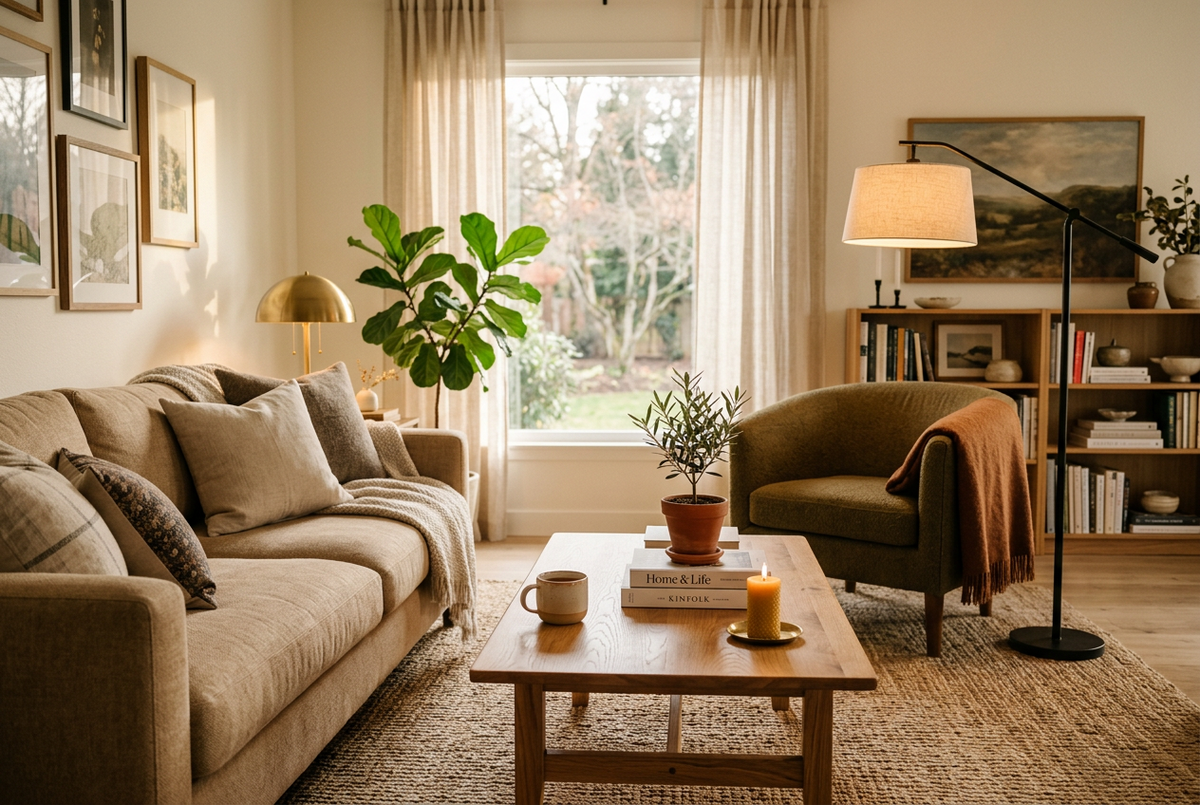
A Better Workspace Starts With Thoughtful Design
A home office should be more than a desk placed in an unused corner.
It's a space where ideas take shape, plans become projects, and everyday responsibilities get done.
Whether you work remotely, manage a small business, study, or simply need an organized place for household tasks, the right furniture can make your workspace more comfortable and practical.
A beautiful home office doesn't require an entire spare room.
With intentional planning, you can create a welcoming workspace in a bedroom, living room, or compact apartment.
At FurniCurate Lounge, we believe productive spaces can also be beautiful spaces.
Here's how to create a home office that supports your routine and complements your home.
1. Choose a Desk That Works for Your Needs
The desk is the foundation of your workspace.
Before choosing a style, consider the tasks you perform most frequently.
Do you use multiple monitors?
Do you need space for paperwork?
Would you benefit from drawers or a larger work surface?
Your answers can help determine the best desk configuration.
Writing Desks
Writing desks often feature streamlined designs and relatively compact dimensions.
They can work well for laptop use, occasional tasks, or smaller home offices.
Computer Desks
Computer desks may offer more surface area for monitors, keyboards, and accessories.
L-Shaped Desks
An L-shaped desk can provide separate areas for computer work and other activities, provided the room has sufficient space.
Height-Adjustable Desks
Some adjustable desks allow users to alternate between seated and standing work.
When considering one, check its height range, stability, dimensions, and weight capacity.
Shop the Collection: Explore desks designed for a variety of home office layouts.
2. Make Seating a Priority
A beautiful desk deserves a chair that supports comfortable daily use.
If you spend extended periods at your workstation, chair selection deserves particular attention.
Look for features that suit your body and work habits.
Depending on the model, useful features may include:
-
Adjustable seat height.
-
Appropriate back support.
-
Comfortable seat dimensions.
-
Adjustable armrests.
-
A stable base.
-
Upholstery that suits your environment.
Consider Your Working Position
A comfortable workstation generally allows you to keep your feet supported, shoulders relaxed, and frequently used items within easy reach.
Chair adjustments and desk height should work together.
If your feet don't reach the floor comfortably, a suitable footrest may help.
No single chair fits everyone, so review dimensions and adjustment options carefully.
3. Create a Workspace That Feels Calm
A cluttered desk can make it harder to focus on the task at hand.
A simple organization system can help keep essential items accessible without filling every available surface.
Start With Three Categories
Daily Essentials
Keep your computer, notebook, and frequently used accessories within reach.
Occasional Supplies
Store extra stationery, documents, and equipment in drawers or nearby cabinets.
Long-Term Storage
Use shelves or filing cabinets for items you don't need every day.
This approach helps your workspace remain organized without requiring constant rearrangement.
4. Use Vertical Space for Smart Storage
When a home office has limited floor space, shelves and tall storage cabinets can be useful.
Wall-mounted shelves may provide storage without occupying additional floor area.
Bookcases can accommodate office supplies, books, and decorative objects.
Closed cabinets can help conceal items that would otherwise create visual clutter.
Balance Practicality With Style
Try combining storage containers with a few personal items.
A favorite book, framed photograph, or small decorative object can make the office feel more welcoming.
Avoid overloading shelves, and always follow appropriate mounting and weight-capacity instructions.
5. Give Lighting the Attention It Deserves
Good lighting can make a workspace more comfortable to use.
Natural daylight can be pleasant, but direct sunlight may create glare on computer screens.
Position your desk with screen visibility in mind.
Combine Different Light Sources
Ambient Lighting
Provides general illumination throughout the room.
Task Lighting
A desk lamp can illuminate documents, notebooks, and detailed work.
Accent Lighting
A decorative floor or table lamp can make the workspace feel more integrated with the rest of your home.
Consider adjustable lighting when your work schedule extends into the evening.
6. Choose a Color Palette That Encourages Focus
Your home office should feel like a natural extension of your home.
A cohesive palette can help create a calm, organized appearance.
Modern Warm Minimalism
Combine ivory walls, a walnut desk, and soft neutral accessories.
Contemporary Contrast
Pair a light desk with a dark office chair and understated metal accents.
Nature-Inspired Workspace
Use natural wood finishes, muted green details, and warm neutral textiles.
Choose colors you enjoy spending time around rather than following a trend that doesn't fit your taste.
7. Make a Small Home Office Feel Intentional
A dedicated office room isn't always necessary.
A compact workspace can fit into an unused bedroom corner, a living room alcove, or a quiet area near a window.
A Simple Small-Space Setup
Start with:
-
A desk that fits the available width.
-
A chair suited to your daily use.
-
A focused task light.
-
A small drawer unit or wall shelf.
-
Basic cable organization.
Avoid purchasing large storage furniture until you know what you genuinely need.
A compact, organized setup can be more enjoyable than a larger workspace filled with unnecessary items.
8. Add Personal Touches That Inspire You
A home office doesn't have to feel corporate.
You can create a polished workspace while still expressing your personality.
Consider artwork, a small plant, a decorative clock, or a comfortable rug.
If you participate in video meetings, think about what appears behind you.
A simple bookshelf, neutral wall, or thoughtfully arranged background can help the workspace feel professional and welcoming.
The goal is not perfection.
It's creating an environment where you feel comfortable spending time.
9. Keep Your Workspace Flexible
Your work habits may change.
You might add another monitor, begin a new hobby, or need more document storage.
Choose furniture that allows your workspace to adapt.
A versatile desk, movable storage cabinet, and adjustable chair can make future changes easier.
Before buying additional pieces, evaluate whether a different arrangement of existing furniture could solve the problem.
10. Build a Routine Around Your Space
Even the most beautiful home office works best when supported by simple habits.
At the end of each day, clear your work surface and return frequently used items to their places.
Keep cables organized.
Review your storage occasionally and remove supplies you no longer need.
A few minutes of organization can help your workspace remain ready for the next day.
Your Workspace, Beautifully Considered
A well-designed home office combines comfort, function, and personal style.
The right desk creates a practical foundation.
A supportive chair helps make daily work more comfortable.
Thoughtful storage and lighting complete the experience.
Whether you're creating a dedicated office or improving a small workspace, every choice can help make your routine feel more intentional.
At FurniCurate Lounge, discover furniture that brings together modern design and everyday practicality.
Make room for your best work.
SHOP HOME OFFICE FURNITURE
EXPLORE DESKS & OFFICE CHAIRS
FurniCurate Lounge — Beautiful Furniture. Effortless Living.


 Acacia Harmony King Platform Bed Frame – Solid Rubber Wood, Caramel Finish, Mid-Century Modern Design, Unique Circular Wood Grain, 800lbs Capacity, No Box Spring Needed, Easy Assembly
 24x32 Inch Black Framed Bathroom Mirror,Matte Metal Frame Vanity Mirror,Round Corner,Farmhouse,Decorative Wall Mounted Rectangle Mirror
 48 * 30 Inches Electric Standing Widened Desk Adjustable Height with 4 Drawers, Double Storage Shelves Stand Up Desk, Home Office Workstation Sit Stand up Desk (Rustic Brown)