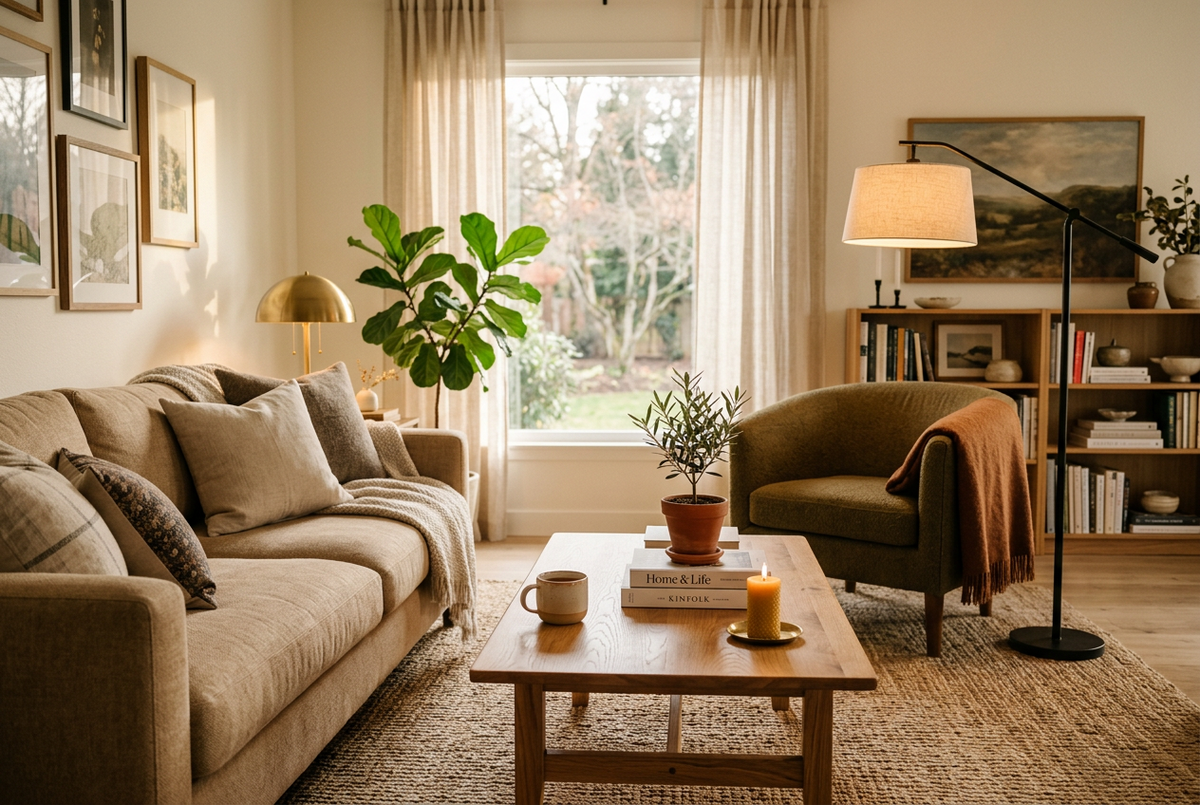
Furnishing a home is more than just filling empty rooms—it’s about creating a space that feels uniquely yours, functional for daily life, and effortlessly stylish. Whether you’re moving into a new apartment or giving your current living room a refresh, picking the right pieces can feel overwhelming with so many options available.
To help you curate a balanced and inviting home, here are 5 simple, designer-approved rules to keep in mind before adding to your cart.
1. Master Scale and Proportion First
Before falling in love with a statement sectional or a sleek dining table, take a tape measure to your space. A magnificent sofa can quickly look clunky if it overpowers a small living area, while a tiny coffee table can get lost in an open-concept room.
2. Prioritize Function Without Sacrificing Form
Furniture should serve your everyday habits. If you love hosting dinner parties, an extendable dining table is a must. If you work from home, a ergonomic accent chair that doubles as workspace seating keeps things practical.
Always ask yourself: How will my household actually use this piece every day?
3. Build Around Anchor Pieces
When designing a room, start with the anchor piece—the central element that anchors the entire space.
-
In the living room, it’s usually the sofa.
-
In the bedroom, it’s the bed frame.
-
In the dining area, it’s the dining table.
Invest in high-quality, timeless anchor pieces first. Once those are in place, you can layer in accent chairs, side tables, and decor accessories that reflect your personal flair.
4. Mix Textures and Materials for Depth
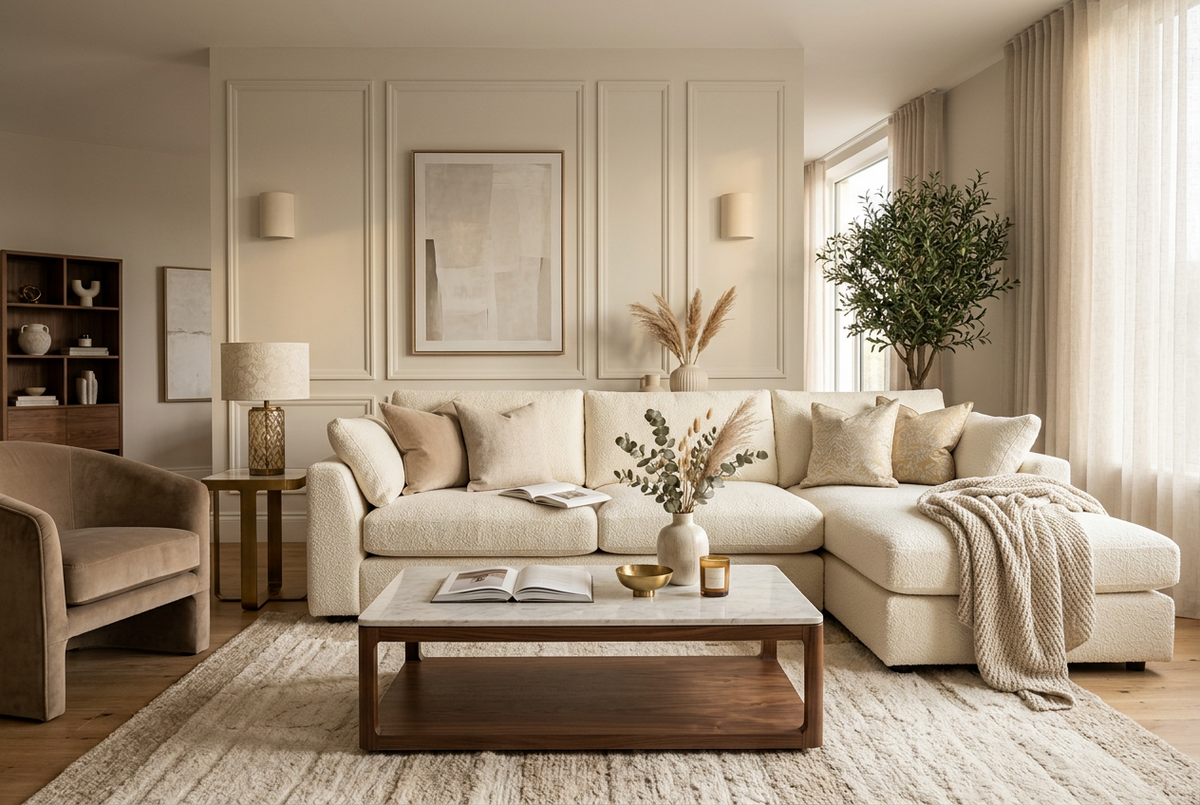
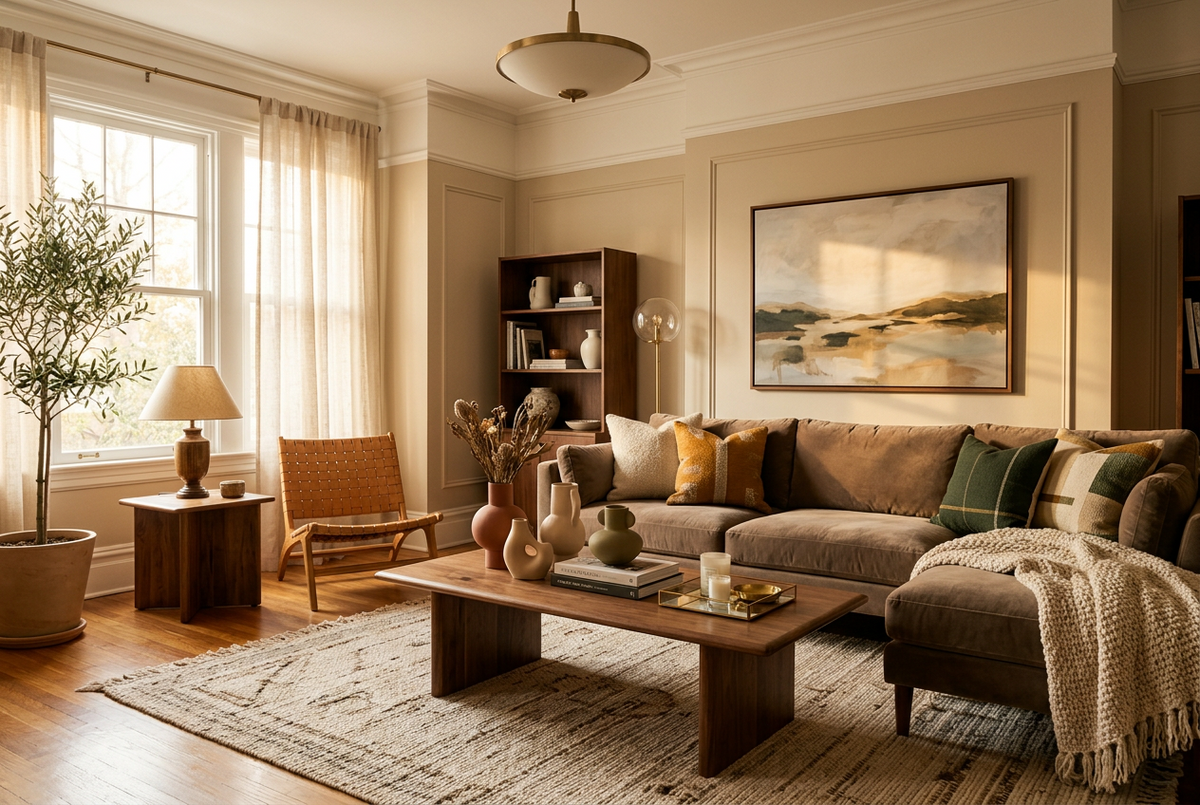
A common decorating pitfall is buying matching furniture sets where everything looks identical. To create a modern, professionally designed look, blend complementary materials:
-
Pair warm wood tones with brushed metal accents.
-
Balance soft, textured upholstery with sleek glass or stone surfaces.
Mixing textures creates visual richness and prevents the room from feeling like a display showroom.
5. Stick to a Cohesive Color Palette
Choose a core palette of 2 to 3 main colors (typically neutrals like cream, grey, or soft wood tones) and 1 or 2 accent colors (such as deep navy, sage green, or muted terracotta). Keeping your furniture within this palette ensures that pieces flow naturally from room to room.
Ready to Craft Your Ideal Space?
Creating a home you love doesn't have to be complicated. By focusing on proportion, quality materials, and functional design, you can build a living environment that stands the test of time.
Looking for versatile, thoughtfully designed pieces to elevate your layout? Explore the latest curated collections at RoomCraft Furniture and find the perfect fit for your home today!


 Acacia Harmony King Platform Bed Frame – Solid Rubber Wood, Caramel Finish, Mid-Century Modern Design, Unique Circular Wood Grain, 800lbs Capacity, No Box Spring Needed, Easy Assembly
 24x32 Inch Black Framed Bathroom Mirror,Matte Metal Frame Vanity Mirror,Round Corner,Farmhouse,Decorative Wall Mounted Rectangle Mirror
 48 * 30 Inches Electric Standing Widened Desk Adjustable Height with 4 Drawers, Double Storage Shelves Stand Up Desk, Home Office Workstation Sit Stand up Desk (Rustic Brown)